Shifts sized before the queue builds
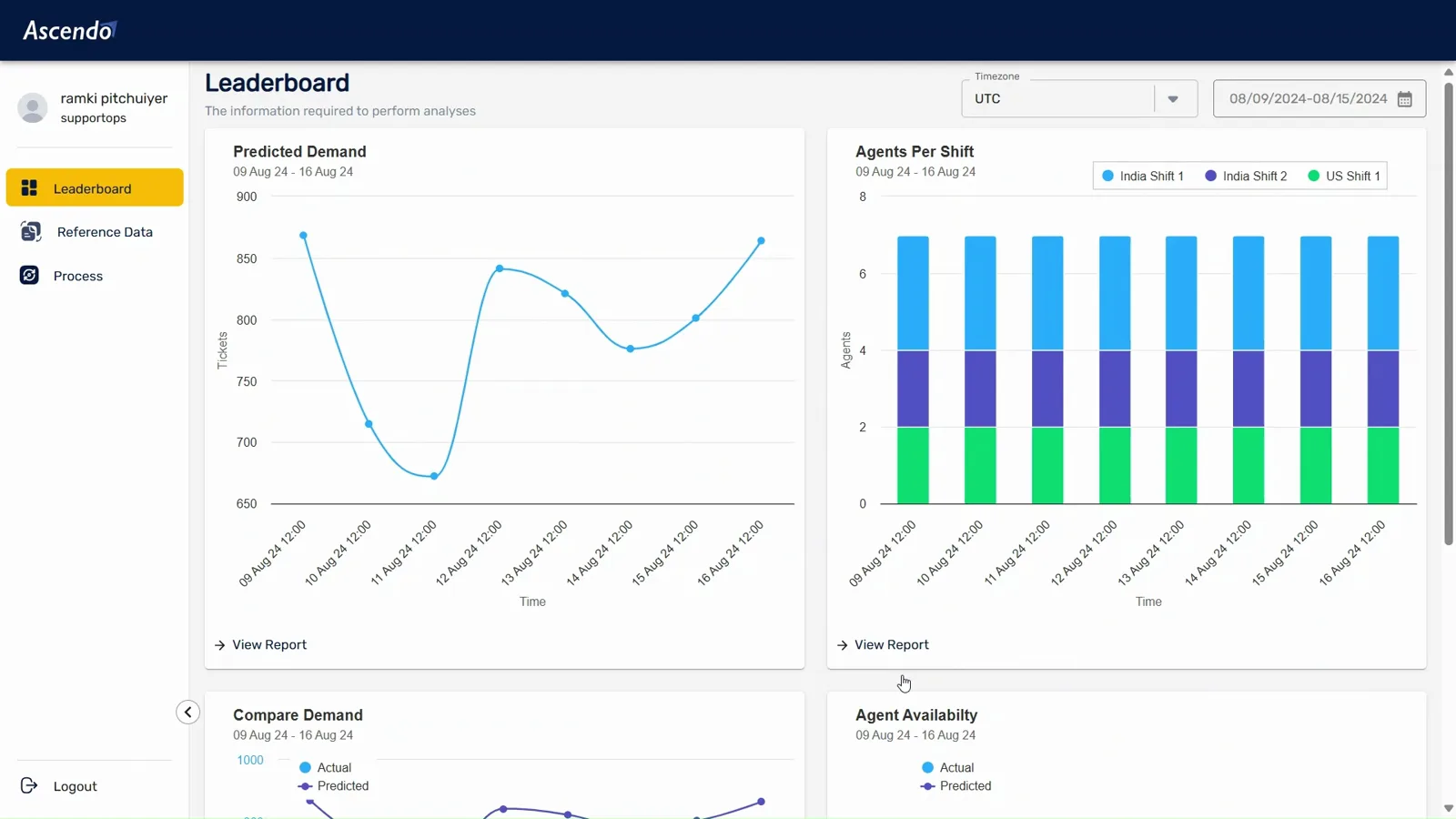
Demand is forecast by day and set against agents per shift, so understaffing shows up on the Leaderboard before it shows up as breached tickets.
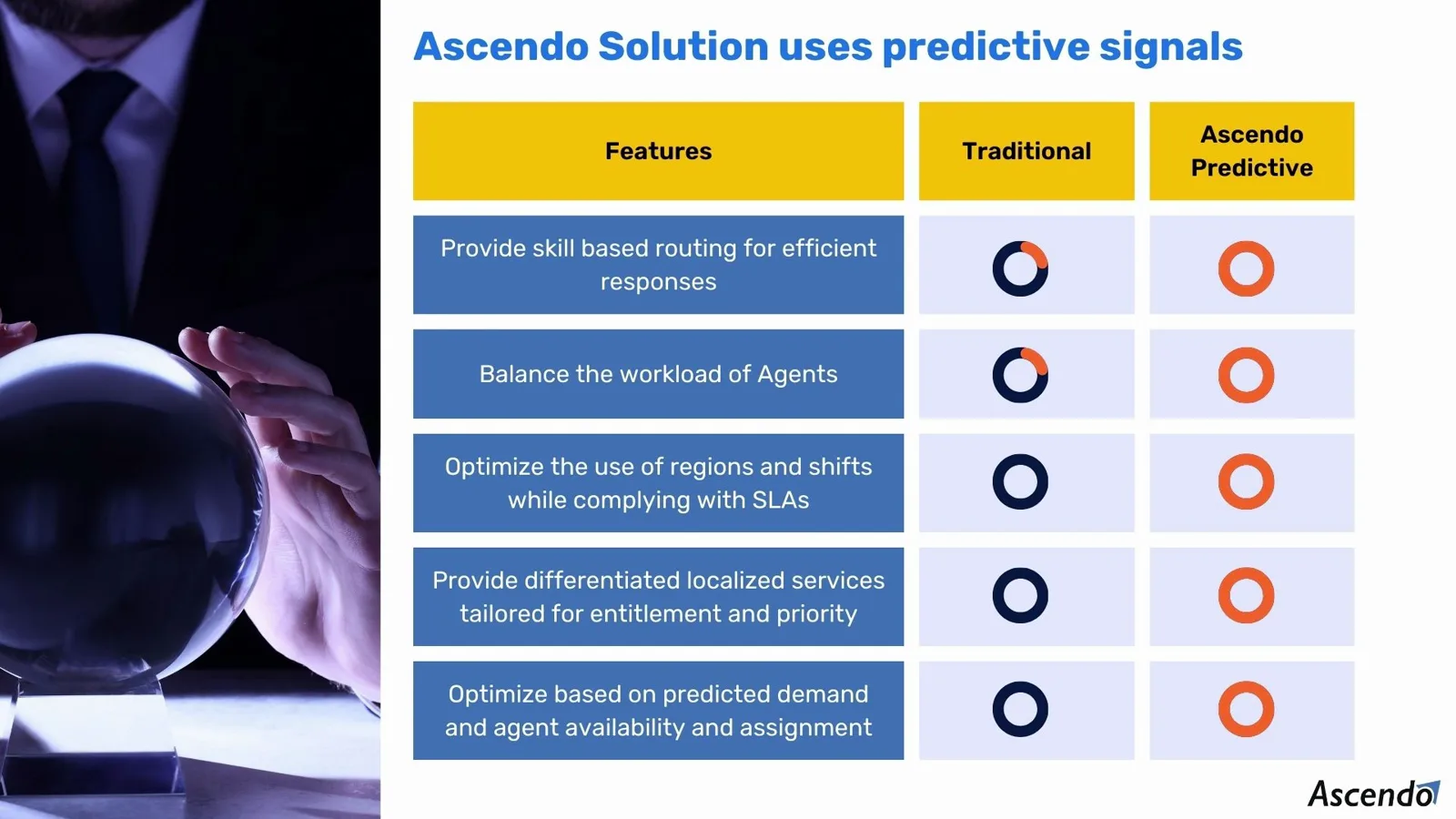
Route every ticket across regions and shifts on predicted demand, SLA, customer entitlement and agent capacity, so round-the-clock support decides who works a ticket the same way at 3 a.m. as it does at noon.
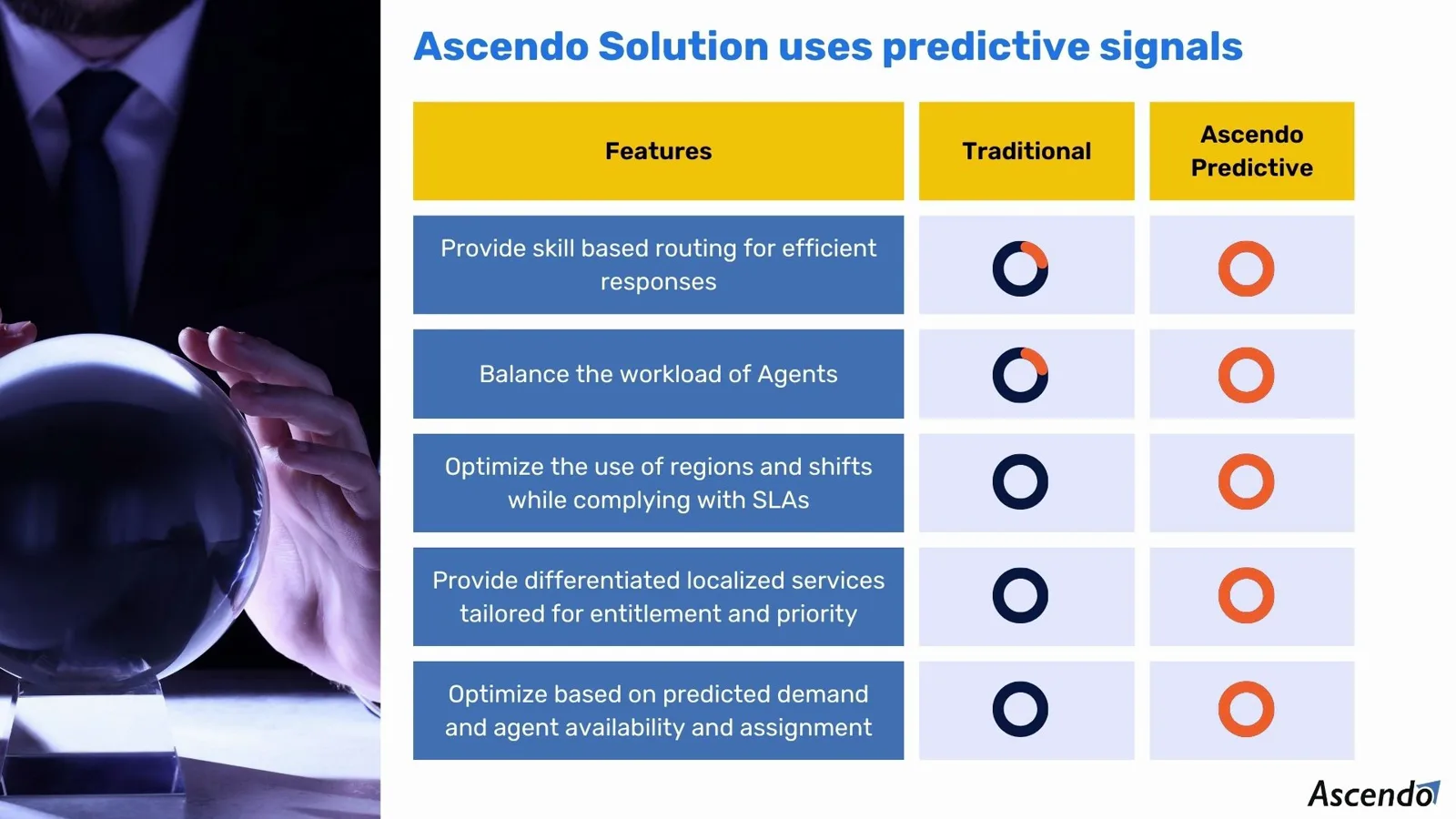
A global support team is several regional teams on different shifts, serving customers spread across every time zone. Each ticket has to land with someone who is on shift, has the skill, has room in their queue and can meet the response time that customer is entitled to.
Most routing answers only part of that question. Skill-based queues and workload balancing are common; deciding which region should take a Premier customer’s urgent ticket, or how many agents each shift needs next Tuesday, is usually left to a spreadsheet and a lead who knows the rules by heart.
Each input is reference data the team already owns. The tour shows every one of them being set up.
Ticket volume is forecast ahead of time and compared against actuals, alongside predicted versus actual agent availability, so shifts are sized for the load that is coming.
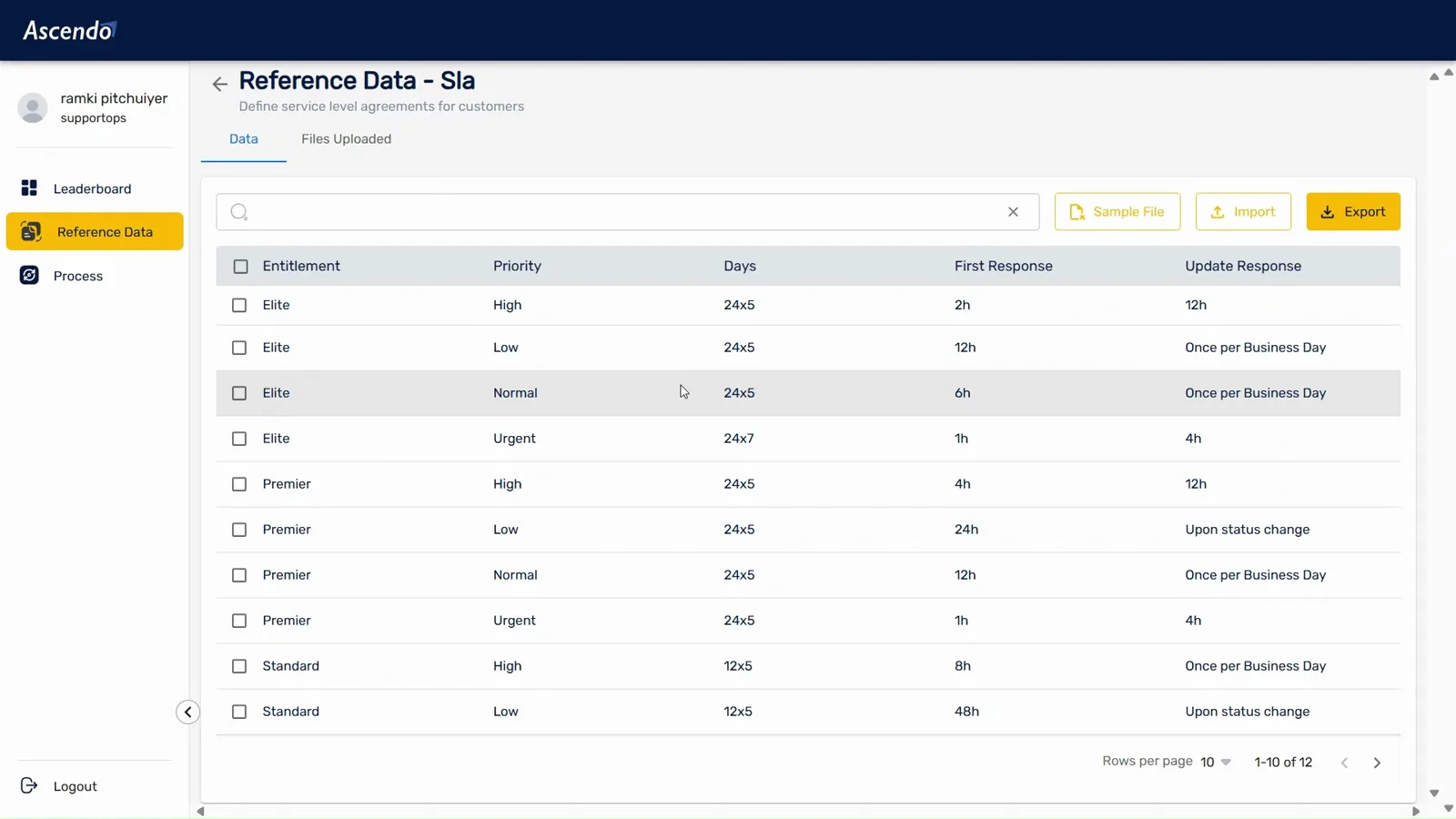
Each customer maps to an entitlement tier. Each tier and priority carries its own coverage hours, first-response time and update cadence.
Precedence rules set which agent region takes a ticket first for each customer region and entitlement, with the next region in line when the first cannot.
Every agent has a ceiling on concurrent tickets and on tickets per shift, so the best-placed person is not handed the whole queue.
The first two are what traditional routing partly covers. The third is what it leaves to people.
Demand is forecast by day and set against agents per shift, so understaffing shows up on the Leaderboard before it shows up as breached tickets.
An Elite customer on the US Pacific coast can be routed to US agents first, then Europe, then India, while a Standard customer’s ticket starts in India. The order is a rule you can read, not habit.
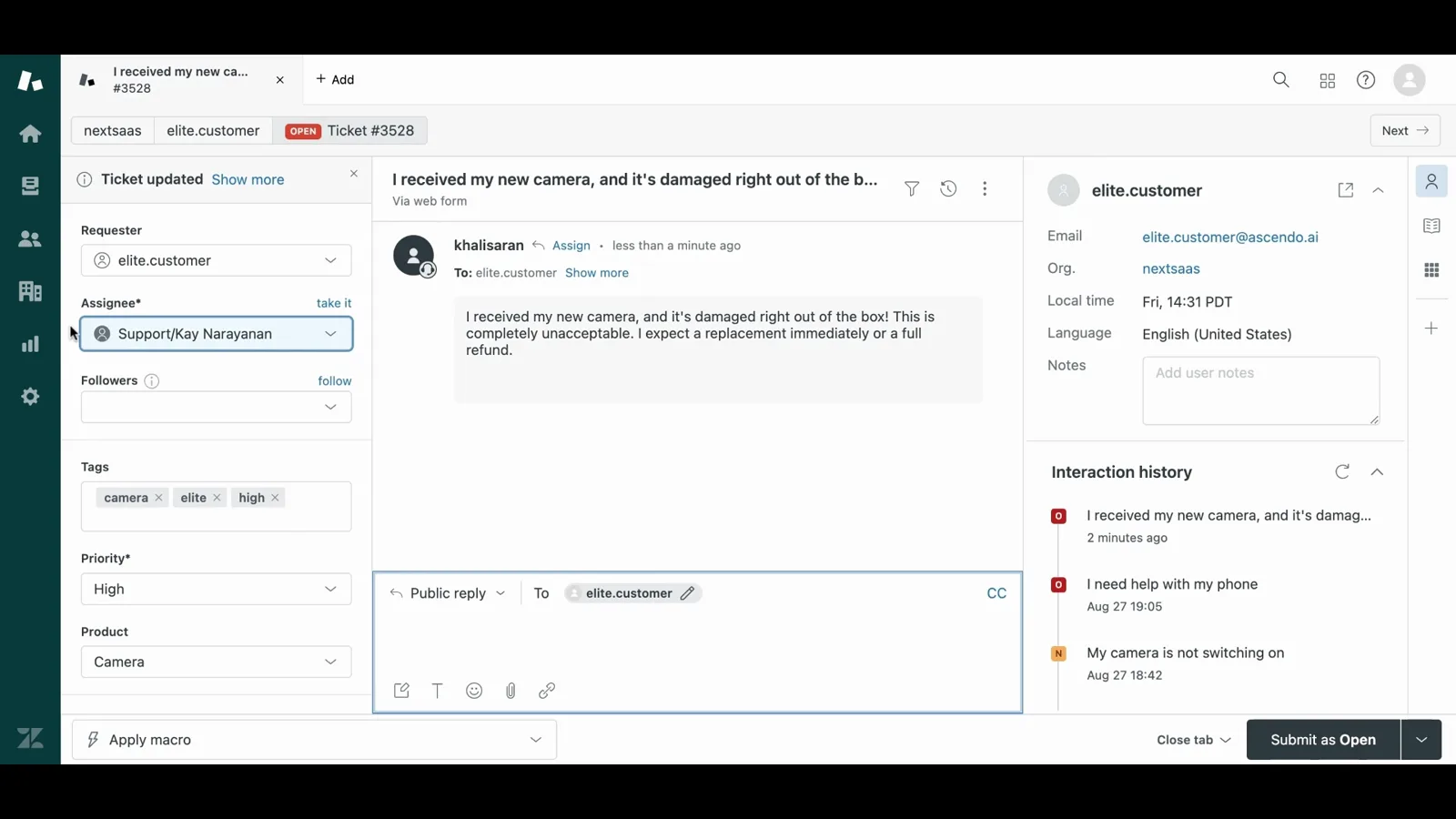
The decision is written back to the ticket in the helpdesk. In the tour, two tickets from the same Elite customer, one low priority and one high, are assigned to different agents without anyone touching the queue.
Each one handles a piece of the decision and leaves the rest to judgement.
Find someone who can handle the ticket, with no view of whether they are on shift, already full, or in the region this customer’s contract expects.
Spreads work evenly, which is the wrong goal when an urgent Elite ticket and a low-priority question arrive together.
Planned from last quarter’s average, so a week with a two-hundred-ticket swing is either overstaffed or breaching.
Knows the entitlement rules and the regions, works one shift, and takes the knowledge home at the end of it.
The reference data the routing console is built on, in the order the tour shows it.
The per-ticket match on skill, demonstrated success and workload that routing builds on.
The field service version: skills, parts availability and technician location weighed together.
What happens to the queue as a whole once individual tickets are routed well.
Cognitive Routing
Send the entitlement tiers, regions and shifts you route across today. We will show you where predicted demand and your current rules disagree.
Talk to us